Rio Grande Valley Birding Hotspots
The five essential stops for any birding trip to the Lower Rio Grande Valley.
Estero Llano Grande State Park
State Park3301 S. International Blvd, Weslaco, TX 78596
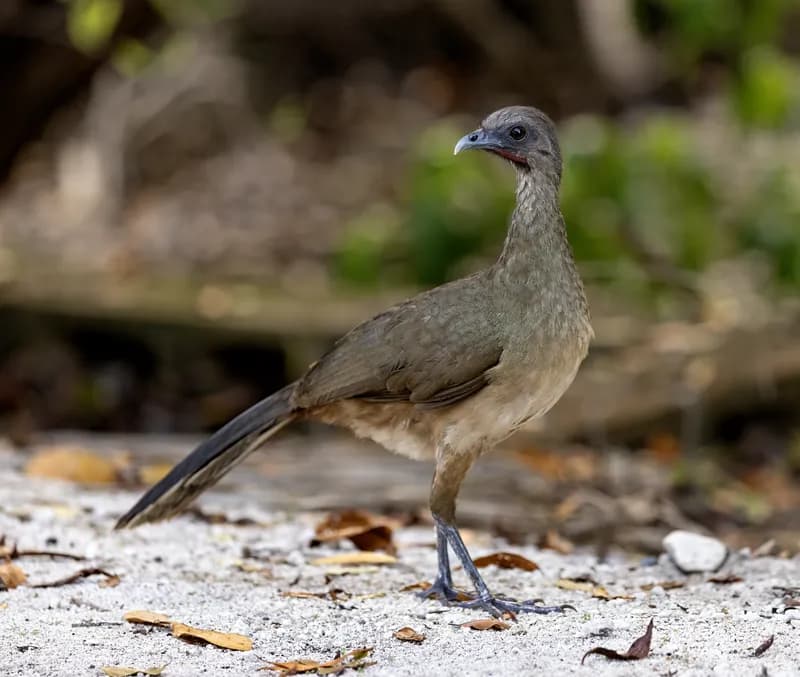
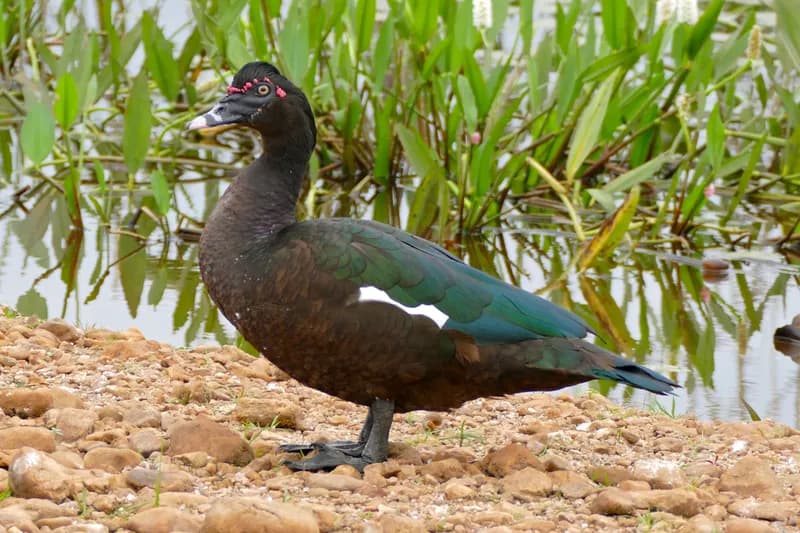
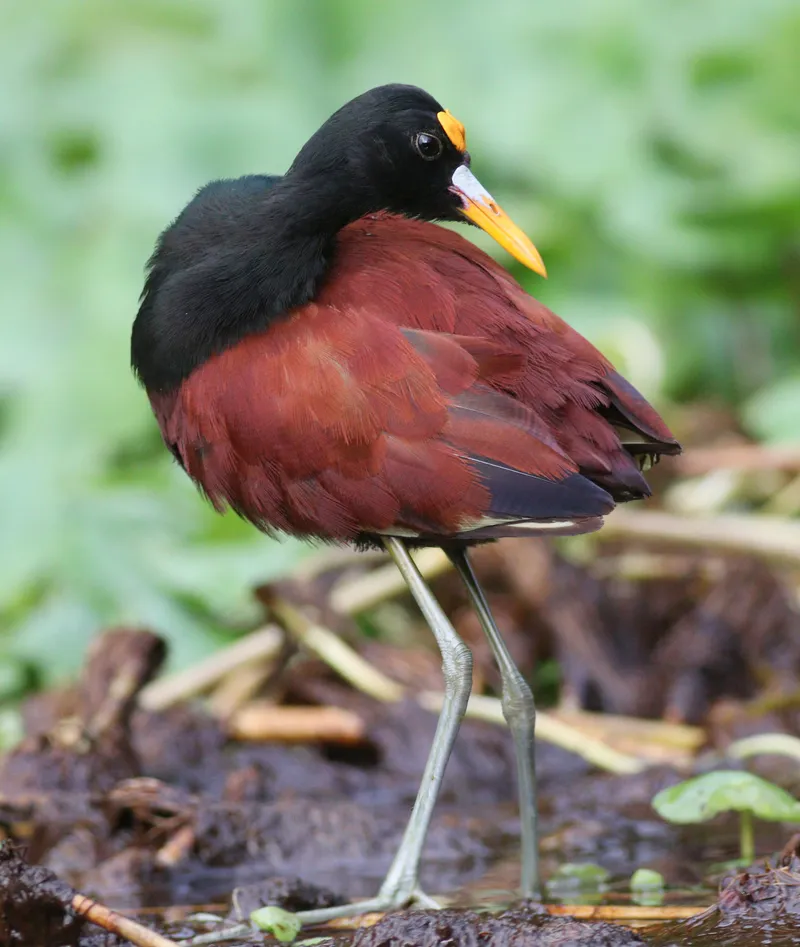
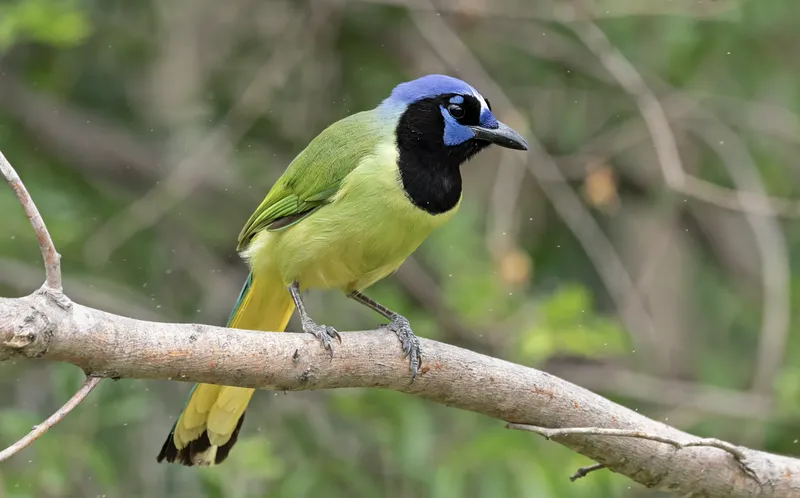
An urban wildlife oasis in the heart of the Valley. The park's shallow lake, resaca wetlands, and brushy edges attract an extraordinary variety of waterbirds and hard-to-find specialties. The visitor center feeders draw Green Jays, Altamira Orioles, and Plain Chachalacas within arm's reach. The lake is one of the most reliable spots in the U.S. for Masked Duck and Northern Jacana.
Commonly Seen Birds
Best Season
Year-round
Santa Ana National Wildlife Refuge
National Wildlife Refuge3325 Green Jay Rd, Alamo, TX 78516
What the U.S. Fish & Wildlife Service calls the 'jewel of the National Wildlife Refuge System,' Santa Ana protects 2,000 acres of native Tamaulipan thornscrub and riparian forest along the Rio Grande. Seasonal tram tours (typically December through early February) wind through the dense habitat where most of the Valley's RGV specialties can be found in a single morning. The feeder station near the visitor center is exceptional.
Commonly Seen Birds
Best Season
Year-round; best Oct–Apr
Bentsen-Rio Grande Valley State Park
State Park / World Birding Center2800 S. Bentsen Palm Dr, Mission, TX 78572
The flagship site of the World Birding Center and one of the most celebrated birding destinations in North America. The park's hawk watch tower is world-famous during spring and fall raptor migration. A network of trails winds through riparian forest and thornscrub. Feeders and a drip water feature attract resident specialties constantly. General park entry is $5 per person (free for kids 12 and under); special hawk watch events may have separate fees.
Commonly Seen Birds
Best Season
Year-round; hawk migration Mar–May & Sep–Oct
National Butterfly Center
Nature Center3333 Butterfly Park Dr, Mission, TX 78572
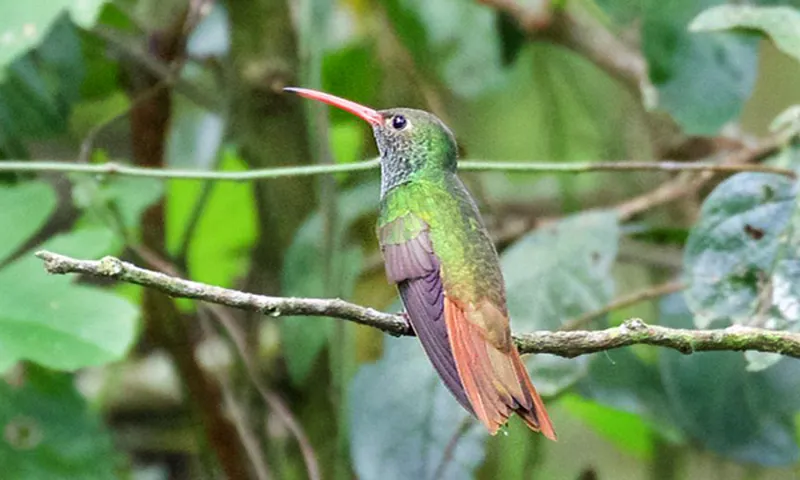
A 100-acre native plant sanctuary along the Rio Grande managed by the North American Butterfly Association. The lush gardens and restored thorn forest attract an outstanding variety of hummingbirds, orioles, and brush species year-round. The milpa and native plantings draw both butterflies and the birds that feed on them. Often overlooked but consistently productive.
Commonly Seen Birds
Best Season
Year-round; fall migration Aug–Oct
Laguna Atascosa National Wildlife Refuge
National Wildlife Refuge22817 Ocelot Rd, Rio Hondo, TX 78583
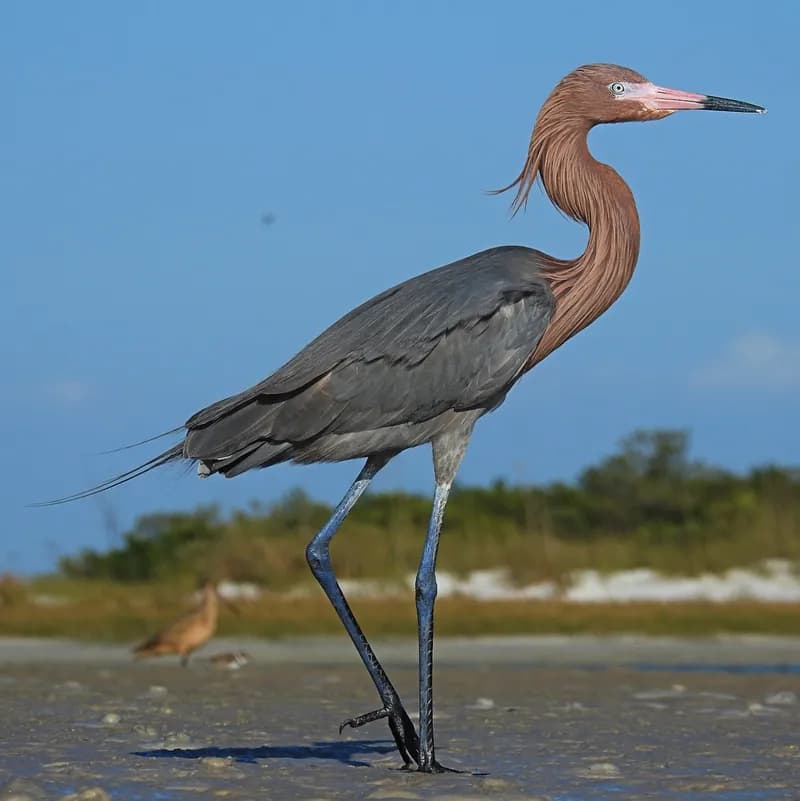
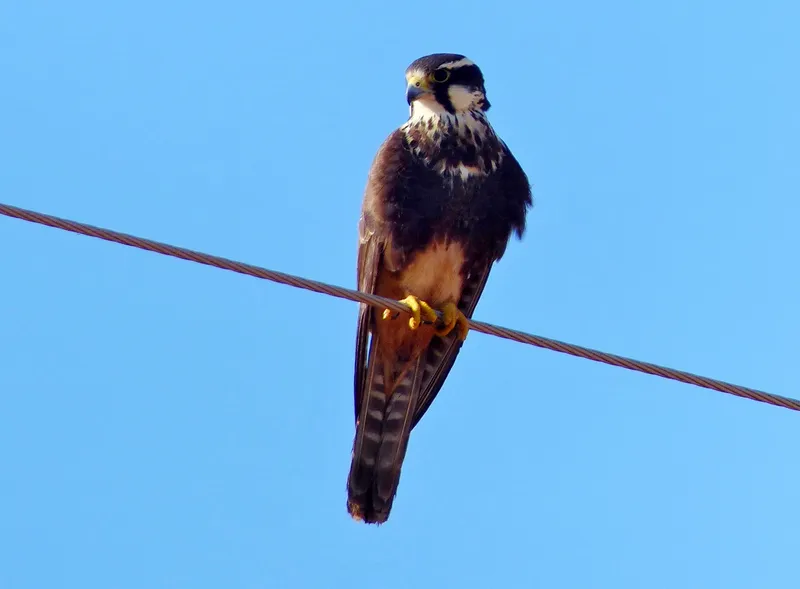
The southernmost National Wildlife Refuge in the U.S., encompassing over 97,000 acres of coastal brushland, freshwater impoundments, and Laguna Madre shoreline. Home to the reintroduced Aplomado Falcon and one of the last strongholds for the endangered ocelot. The Bayside Drive auto loop offers superb looks at waterbirds and open-country raptors.
Commonly Seen Birds
Best Season
Year-round; shorebirds Aug–Oct, waterfowl Nov–Mar